


 Opening Hours : Mon to Sat : 10 AM to 6 PM
 हमें कॉल करें :
07313726805
हमें कॉल करें :
07313726805

 जांच भेजें
फà¥à¤²à¥à¤à¥à¤¸à¤¿à¤à¤ रà¥à¤¸à¤¿à¤¸à¥à¤à¥à¤à¤¸ à¤à¥à¤¸à¥à¤à¤°
Price 1900000 आईएनआर/ Unit
फà¥à¤²à¥à¤à¥à¤¸à¤¿à¤à¤ रà¥à¤¸à¤¿à¤¸à¥à¤à¥à¤à¤¸ à¤à¥à¤¸à¥à¤à¤° Specification
- नमूना आकार
- 70 mm x 45 mm
- तापमान
- Room Temperature
- पोर्ट का आकार
- Standard
- टेस्ट रेंज
- 0-999999 cycles
- नमूनों की संख्या
- 6
- नमी
- Ambient
- परीक्षण सामग्री
- Leather, Coated Fabric, Rubber, PVC
- टाइप करें
- मटेरियल
- SS
- पावर
- वोल्ट (v)
- पावर सोर्स
- Electric
- आयाम (एल* डब्ल्यू* एच)
- मिलीमीटर (mm)
- वज़न
- किलोग्राम (kg)
- उपयोग
- Industrial Use
- एप्लीकेशन
- Leather, fabric, coated fabrics testing
फà¥à¤²à¥à¤à¥à¤¸à¤¿à¤à¤ रà¥à¤¸à¤¿à¤¸à¥à¤à¥à¤à¤¸ à¤à¥à¤¸à¥à¤à¤° Trade Information
- Minimum Order Quantity
- 1 Unit
- आपूर्ति की क्षमता
- प्रति सप्ताह
- डिलीवरी का समय
- हफ़्ता
- मुख्य घरेलू बाज़ार
- , , , , , , , , , , , , , , , , , , , , , , , , , , , , , , , , , , , , , , , , , , ऑल इंडिया
About फà¥à¤²à¥à¤à¥à¤¸à¤¿à¤à¤ रà¥à¤¸à¤¿à¤¸à¥à¤à¥à¤à¤¸ à¤à¥à¤¸à¥à¤à¤°
This tester has been engineered specially for testing the bending or other types of failure at the point of flexing creases. It can check the flexibility of materials such as leathers, coated fabrics and sheet materials. The Flexing Resistance Tester is particularly viable in determining the resistance of vulcanized rubber and synthetically formed elastomers. Rubber, generally has a tendency to form cracks under such conditions where repeated flexing or bending is performed. So this machine plays an important role in the development of rubber based products such as footwear where it is necessary to determine the bending ability of the rubber without cracking.
Specifications
- Work stations: 12
- Counter: 1-999,999 times
- Power : 220 V 50/60 Hz 4 A
- Weight : 70 Kg
- Dimensions : 480 x 480 x 320 mm(L x W x H)
Versatile Testing Capability
This Flexing Resistance Tester supports analysis of leather, coated fabric, rubber, and PVC materials, allowing manufacturers to evaluate performance across a broad spectrum of applications. With adjustable clamps, standard specimen sizing of 70 mm x 45 mm, and the capacity to test six specimens at once, users can conduct efficient, comparative durability tests in accordance with international standards.
Built for Industrial Environments
Engineered with a sturdy powder-coated steel frame and fitted with corrosion-resistant paint, this tester guarantees durability for frequent industrial use. Its low-noise operation, integrated safety shield, and overload protection assure both user safety and extended equipment lifespan in rigorous testing scenarios.
Precise and Standardized Results
A digital counter provides accurate record-keeping up to 999,999 cycles, while compliance with IS 5914, BS 3144, and ASTM D430 ensures all tests are performed to the necessary industry benchmarks. The machine is driven by a reliable geared motor and operates at a consistent 100 5 cycles per minute for consistent, repeatable outcomes.
FAQ's of Flexing Resistance Tester:
Q: How do I use the Flexing Resistance Tester for evaluating material durability?
A: Begin by preparing specimens (70 mm x 45 mm) from your test material. Secure up to six samples in the adjustable clamps, set the required number of test cycles on the digital counter, and switch on the machine. The geared motor will operate the tester at 100 5 cycles per minute, flexing the samples to measure resistance and durability until the set cycle count is reached.Q: What materials can be tested with this Flexing Resistance Tester?
A: This device is designed for a wide array of materials, including leather, rubber, coated fabrics, and PVC. Its adjustable clamping system accommodates different specimen types, making it ideal for testing materials commonly used in footwear, upholstery, automotive, and industrial applications.Q: When should I choose this tester for my quality control process?
A: Select this Flexing Resistance Tester when you need reliable, standardized evaluation of flexing durability for development, manufacturing, or quality assurance in industries utilizing leather or coated fabrics. Its compliance with IS 5914, BS 3144, and ASTM D430 ensures that your testing aligns with global industry standards.Q: Where can I install the Flexing Resistance Tester within my facility?
A: Due to its manageable dimensions (480 x 480 x 320 mm) and weight (70 kg), this tester fits conveniently in most laboratories or quality control rooms. Ensure placement on a stable surface, near a 220V / 50Hz power supply, and in a location with ambient humidity and room temperature.Q: What is the testing process on this Flexing Resistance Tester?
A: After securing the specimens, set the digital counter for the desired number of cycles. The tester's geared motor begins automated flexing, while the adjustable clamps maintain specimen integrity. Observation is possible through the safety shield, and testing continues up to 999,999 cycles or until material failure, after which results are recorded and analyzed.Q: How does the tester ensure operator safety and long-term reliability?
A: Safety is a priority with features such as a safety shield to prevent accidental contact during testing and built-in overload protection to protect both the user and the machine. The corrosion-resistant, powder-coated steel frame also ensures operational reliability in demanding environments.Q: What are the key benefits of using this Flexing Resistance Tester?
A: This tester offers precise, reproducible results with low noise, high safety standards, and compatibility with a wide range of test materials. Its robust construction supports frequent industrial use, while the digital counter and multiple specimen capability enhance efficiency and standardization in quality testing processes.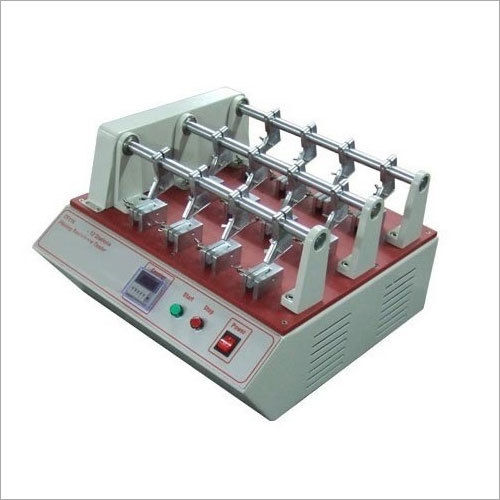

Price: Â
- 50
- 100
- 200
- 250
- 500
- 1000+

अधिक Products in Fabric Recovery Testing Machine Category
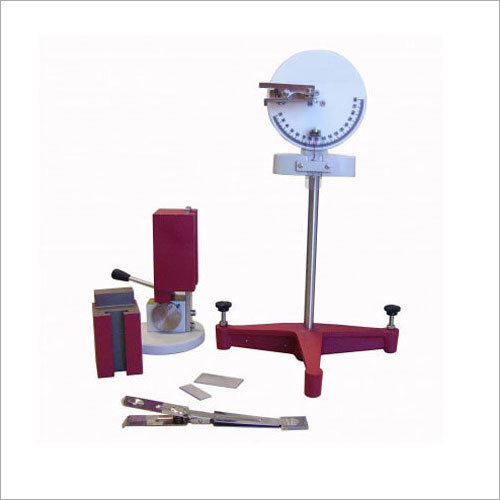
क्रीज रिकवरी टेस्टर
वज़न : किलोग्राम (kg)
माप की इकाई : यूनिट/यूनिट
मटेरियल : SS
टाइप करें : ,
न्यूनतम आदेश मात्रा : 1
मूल्य की इकाई : यूनिट/यूनिट
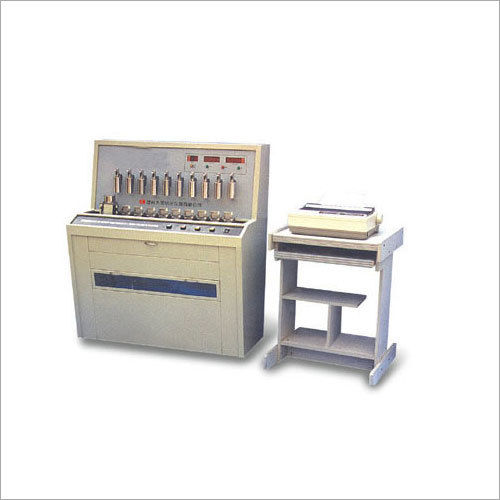
क्रीज रिकवरी टेस्टर - डिजिटल
वज़न : किलोग्राम (kg)
माप की इकाई : यूनिट/यूनिट
मटेरियल : SS
टाइप करें : ,
न्यूनतम आदेश मात्रा : 1
मूल्य की इकाई : यूनिट/यूनिट
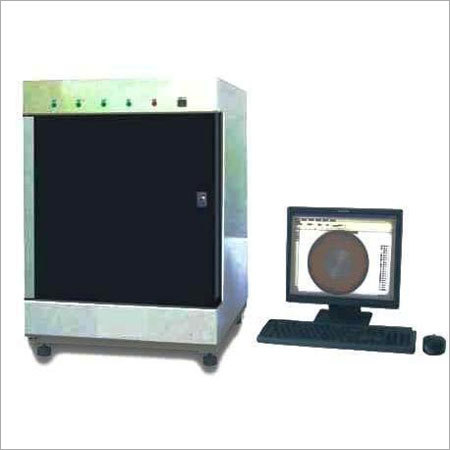
फैब्रिक ड्रेप टेस्टर
वज़न : किलोग्राम (kg)
माप की इकाई : यूनिट/यूनिट
मटेरियल : SS
टाइप करें : ,
न्यूनतम आदेश मात्रा : 1
मूल्य की इकाई : यूनिट/यूनिट
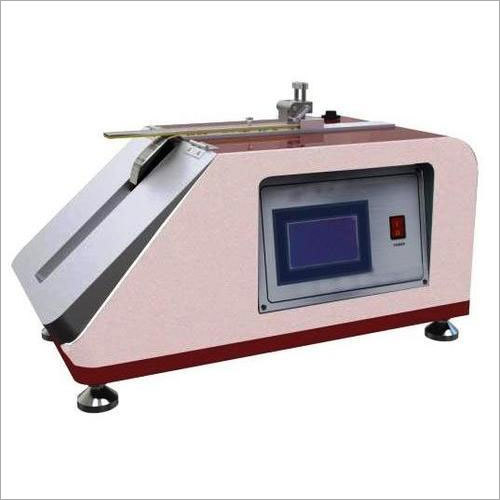
ऑटो फैब्रिक स्टिफनेस टेस्टर
वज़न : किलोग्राम (kg)
माप की इकाई : यूनिट/यूनिट
मटेरियल : SS
टाइप करें : ,
न्यूनतम आदेश मात्रा : 1
मूल्य की इकाई : यूनिट/यूनिट


- फ़ोन : 07313726805

- Mr Vinodkumar Gaikwad (CEO)
- मोबाइल : 07313726805
- जांच भेजें
- A-40, Unnadeep Complex, Tower-A, Susen Tarsali Ring Road, Tarsali, Vadodara - 390010, Gujarat, India
Mr. Vinodkumar (CEO)
मोबाइल :+919998755997, +919558979952
 जांच भेजें
- Textile Testing Equipment
- Textile Testing Equipment
- Textile Testing Equipment
- Textile Testing Equipment
- Textile Testing Equipment
- Textile Testing Equipment
- Textile Testing Equipment
- Textile Testing Equipment
- Textile Testing Equipment
- Textile Testing Equipment
- Textile Testing Equipment
- Textile Testing Equipment
- Textile Testing Equipment
- Textile Testing Equipment
- Textile Testing Equipment
- Textile Testing Equipment
- Textile Testing Equipment
- Textile Testing Equipment
- Textile Testing Equipment
- Textile Testing Equipment
- Textile Testing Equipment
- Textile Testing Equipment


इन्फोकॉम नेटवर्क प्राइवेट लिमिटेड . द्वारा विकसित एवं प्रबंधित

